My Story Begins Here
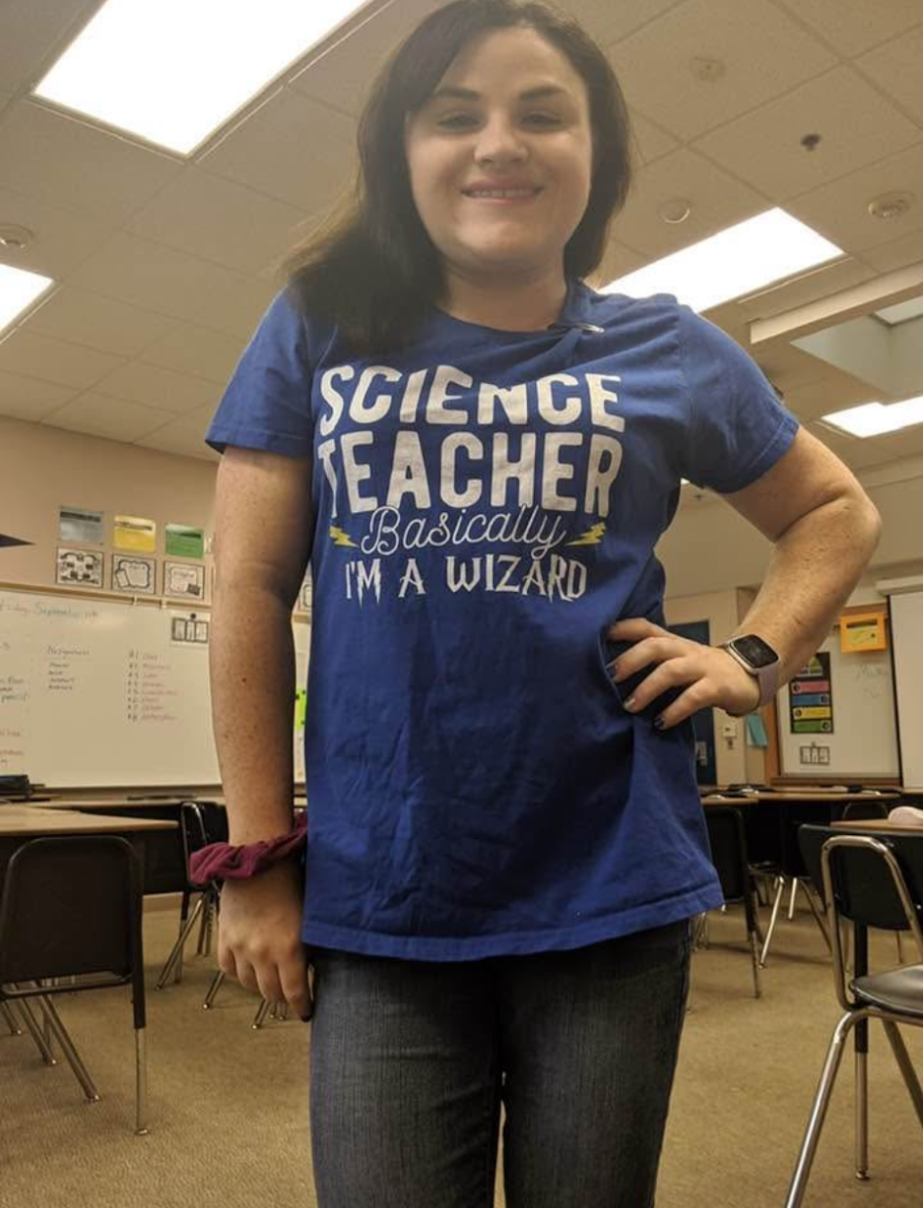
My name is Haley Murray. I am 31 years old and live in California. I am a high school science teacher for an online independent study program, and I was diagnosed with Myhre syndrome as an adult at 29 years old, just two years ago. Like many adults with rare diseases, I spent decades searching for answers without realizing they were all connected. Looking back now, I can finally see how all the pieces of my life fit together.
Whether you’re an adult who has recently been diagnosed, a parent whose child has Myhre syndrome, or someone simply trying to understand what the future may hold, I hope my story offers encouragement. Let’s dive into my story and what my life looks like as an adult living with this condition.
Looking Back: Always Feeling Different
I was born and raised in beautiful sunny Southern California. Most of my early childhood was relatively normal except when I was around seven years old I started going through early puberty. Additionally, I would battle frequent ear and sinus infections. This was back before the SMAD4 gene had even been connected to Myhre syndrome. My pediatrician wanted to rule out endocrine or pituitary causes, so from a young age I was getting blood tests and MRIs. Ultimately, they couldn’t find an answer and I was simply diagnosed with precocious puberty.
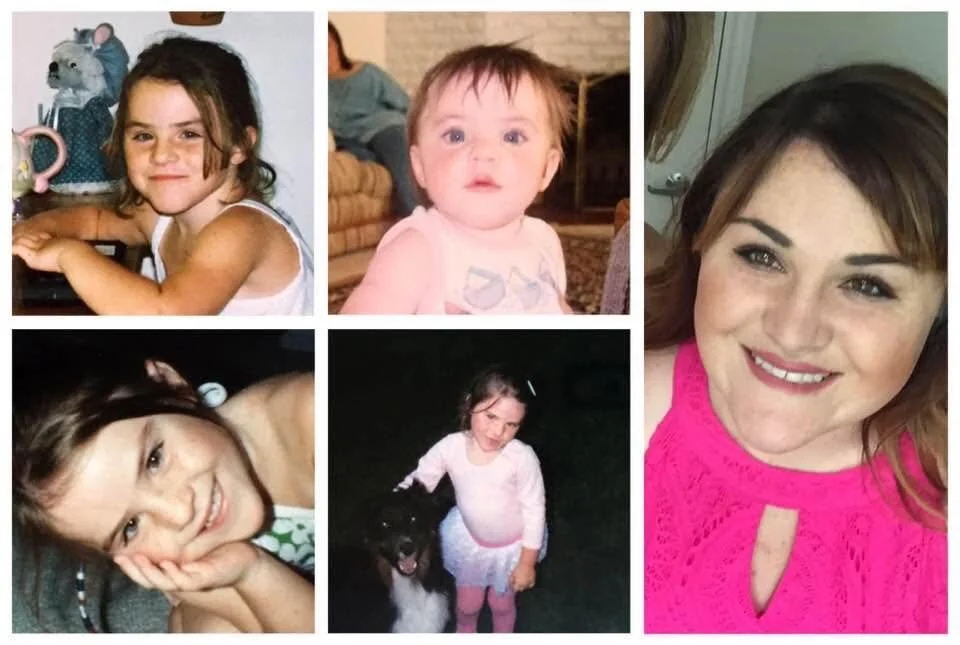
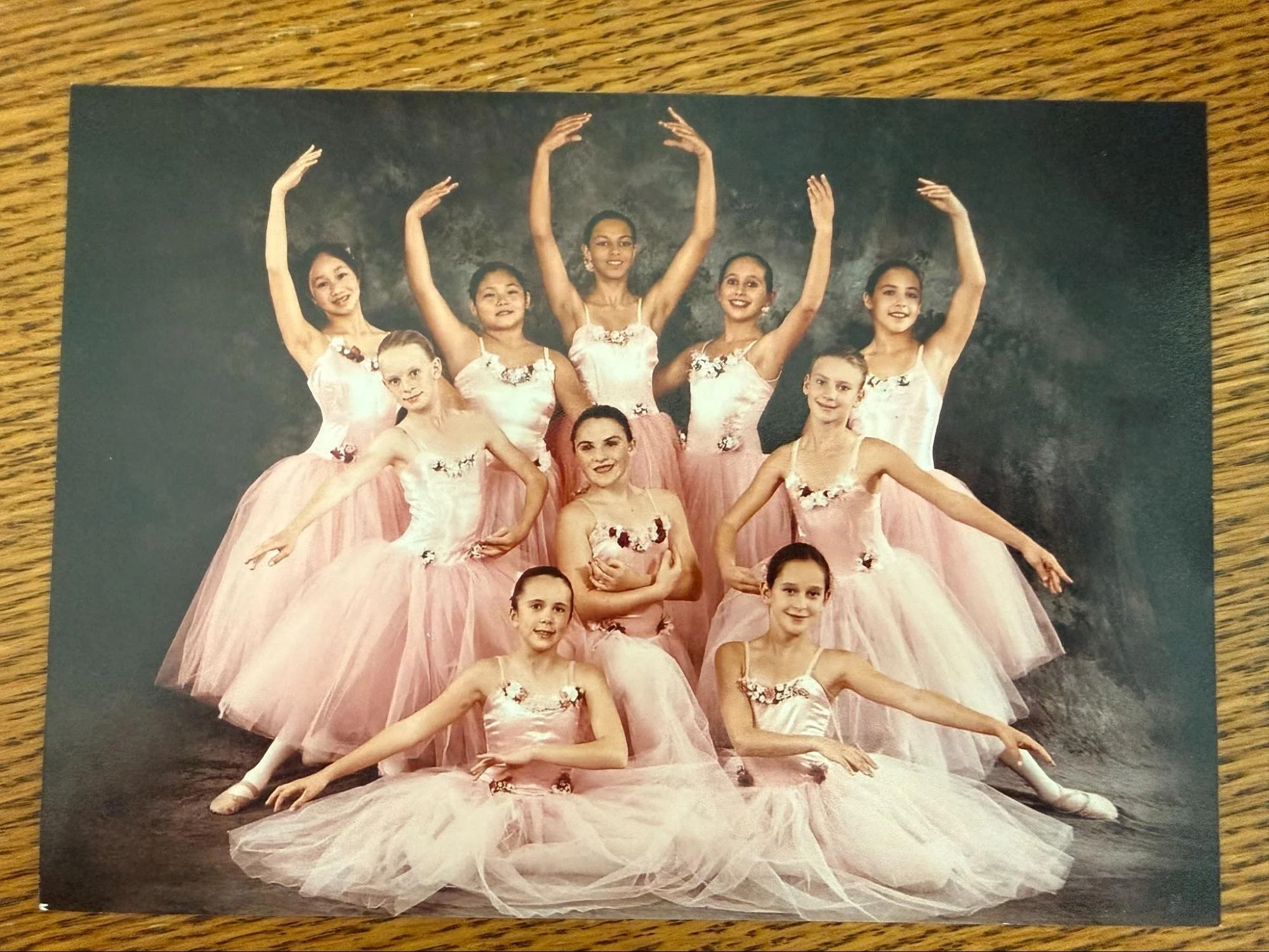
As I grew older, I discovered a love for dance. Ballet quickly became one of my greatest passions, and I performed in annual recitals and annual productions of The Nutcracker. Eventually I earned my first pair of pointe shoes, but I started to feel as though something was different about my body and movements compared to my peers. No matter how hard I stretched, my body never moved like everyone else’s. I couldn’t achieve the flexibility expected in ballet, and my movements always felt stiff. My body looked and felt physically different from my peers.

Despite these hurdles with my physical limitations, rather than giving up dancing altogether, I found new joy in jazz, lyrical, tap, and hip-hop where my more rigid movements were welcome and accepted. In high school, I joined my school’s songleader team and even had the opportunity to coach younger dancers. I was not going to let my body’s limitations get in the way of doing something I enjoyed.
Looking back on my education now, I realize that I learn and process information differently due to executive functioning and spatial processing challenges. While I loved school and loved learning, I often needed more time to process information and stay focused. At the time, I didn’t know why. Instead, I simply worked harder, developing ways to manage these hurdles and finding tools to help me learn the way my brain was designed to work. Growing up in a highly competitive school district, I pushed myself to keep up with my peers and even graduated high school with honors. That determination helped me succeed without accommodations, but it also planted the seeds of perfectionism that still stay with me to this day.
Building My Life Anyway
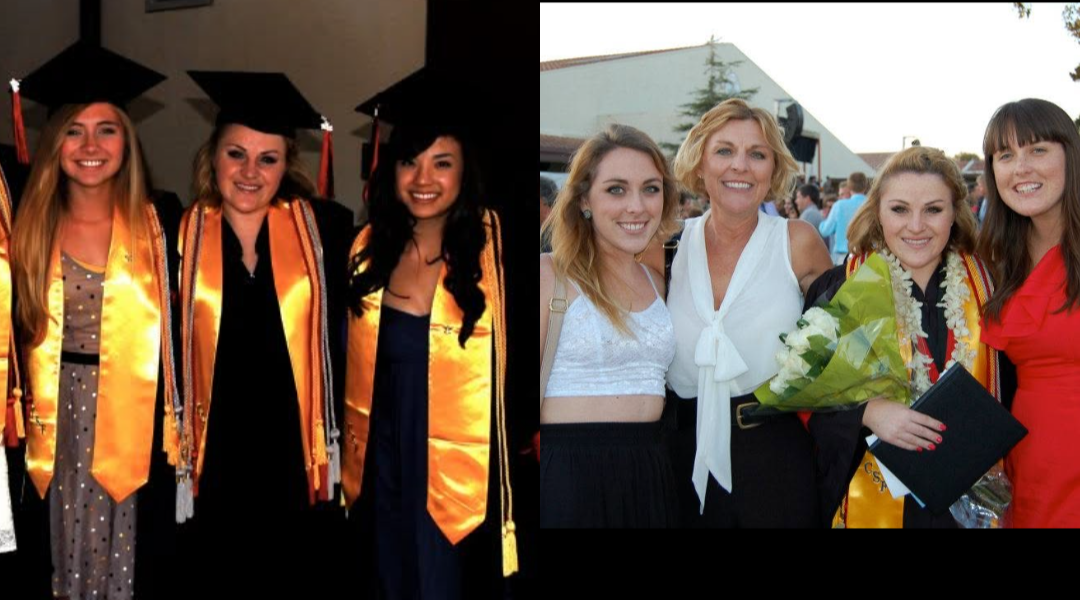
Growing up near the ocean, I dreamed of becoming a marine biologist and working with marine mammals. I applied for colleges and was accepted into the University of California, Santa Cruz to pursue earning my college degree. During college I started noticing things that weren’t normal for someone my age. I became progressively stiffer. I started experiencing more pain, fatigue and difficulty sleeping. I developed carpal tunnel at a younger than average age.
These increasing physical challenges led me to needing academic accommodations. Not because I wasn’t capable, but because I processed information differently and needed additional time. This was when I learned the tools to advocate for myself as I did not know I was eligible for accommodations until a friend who struggled with fine motor skills mentioned our college had an accommodations office.
During my third year of college, I had the wonderful opportunity to work as a research assistant in a fish lab at NOAA. I was on track to earn my bachelor’s degree in Marine Biology with honors, believing that was the path I was meant to follow.
But everything changed during my senior year because of one professor. She taught a course in Marine Botany, which focused on the biology and ecology of marine plants and algae, and her class completely redefined my career goals.
She was passionate, compassionate, and truly cared about her students. Her teaching style inspired me to consider a career in education over research. She encouraged me to volunteer in a classroom, and within my first week as an instructional aide, I knew I had found my calling.
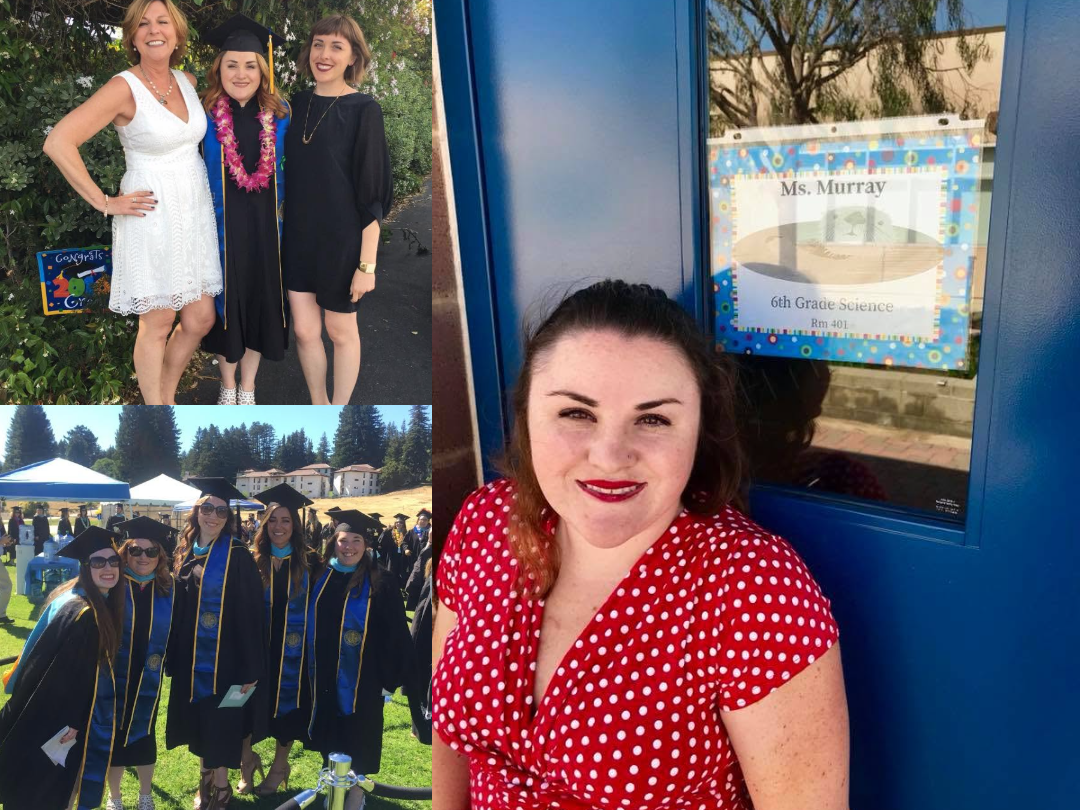
Armed with a new direction, I completed my bachelor’s degree, earned a Master’s degree in Education alongside my teaching credential, and launched my career as a middle school science teacher. Today, helping students discover their own love of science is one of the greatest joys of my life.
The Long Search for Answers
As my teaching career was taking off, my body continued changing. Throughout my twenties I experienced challenges affecting multiple body systems. My muscles became progressively stiffer, everyday movement became more difficult, I struggled with fatigue, sleep, neurological symptoms, hormonal concerns, and chronic pain. Because every symptom seemed unrelated, each specialist looked at only one small piece of the puzzle. Over the years I underwent countless appointments, blood tests, MRIs, neurological evaluations, and autoimmune testing.
Time after time, results either came back normal. One specialist was extremely surprised that I did not test positive for any autoimmune related connective tissue diseases due to my global stiffness. Like many adults with rare diseases, I often heard the same advice: “You’re stressed”, “You need more sleep”, “Try exercising”, “Lose weight”.
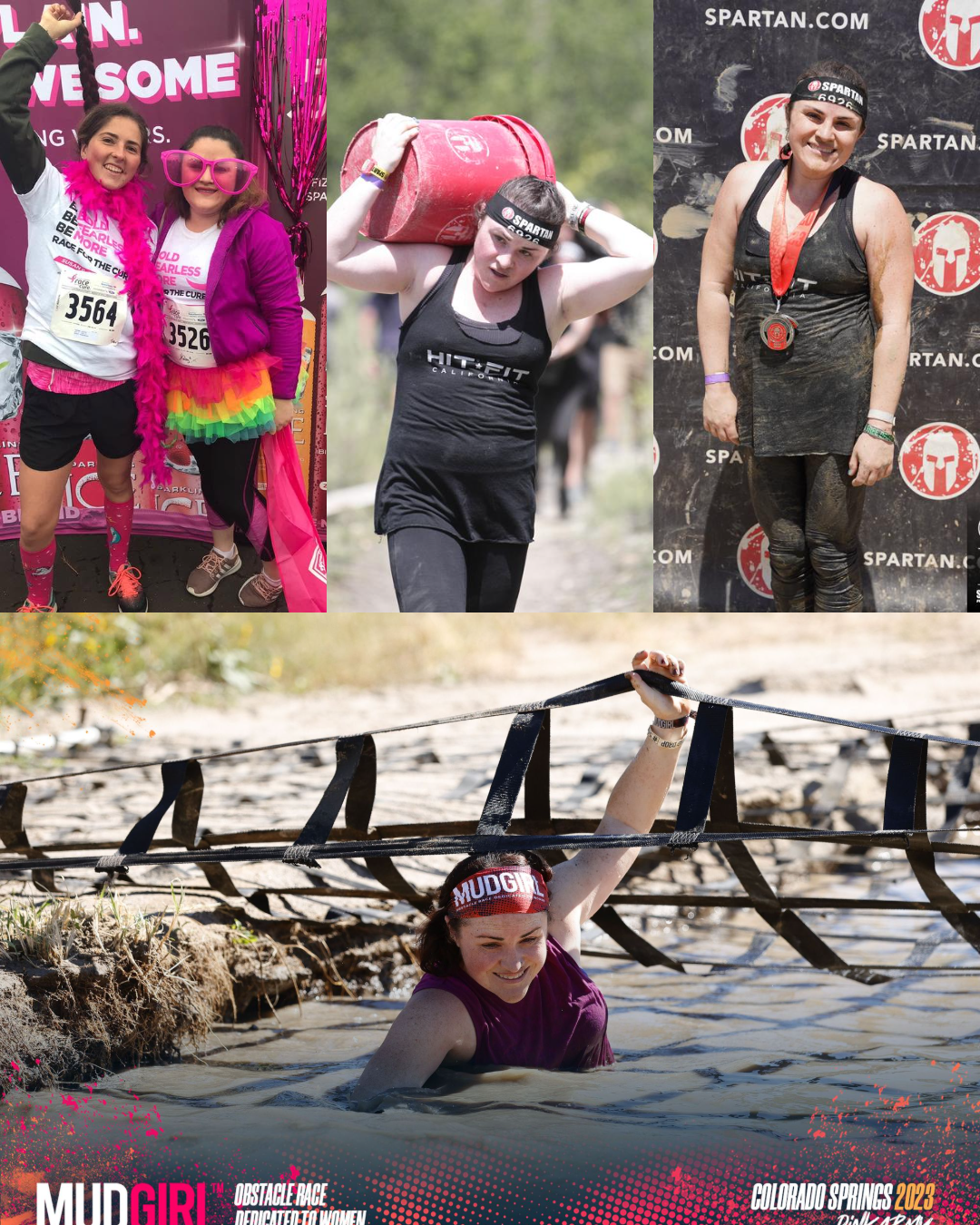
So I did. I focused intently on improving my health. I worked with a therapist to manage stress. I became deeply involved in fitness, completed CrossFit training, ran a Spartan Race and Mud Run, experimented with different healthy diets, and made healthy lifestyle choices. On paper I was probably the healthiest I’d ever been. I looked incredibly healthy on the outside but I continued to feel worse internally.
However, the one final area that remained completely unexplored was my sleep. From a young age, I had always struggled with nights disrupted by insomnia, sleepwalking, and terrifying episodes of sleep paralysis, which only seemed to worsen as I got older. Recognizing these severe symptoms, combined with a strong family history of sleep apnea, my primary care physician recommended I undergo a formal sleep study.
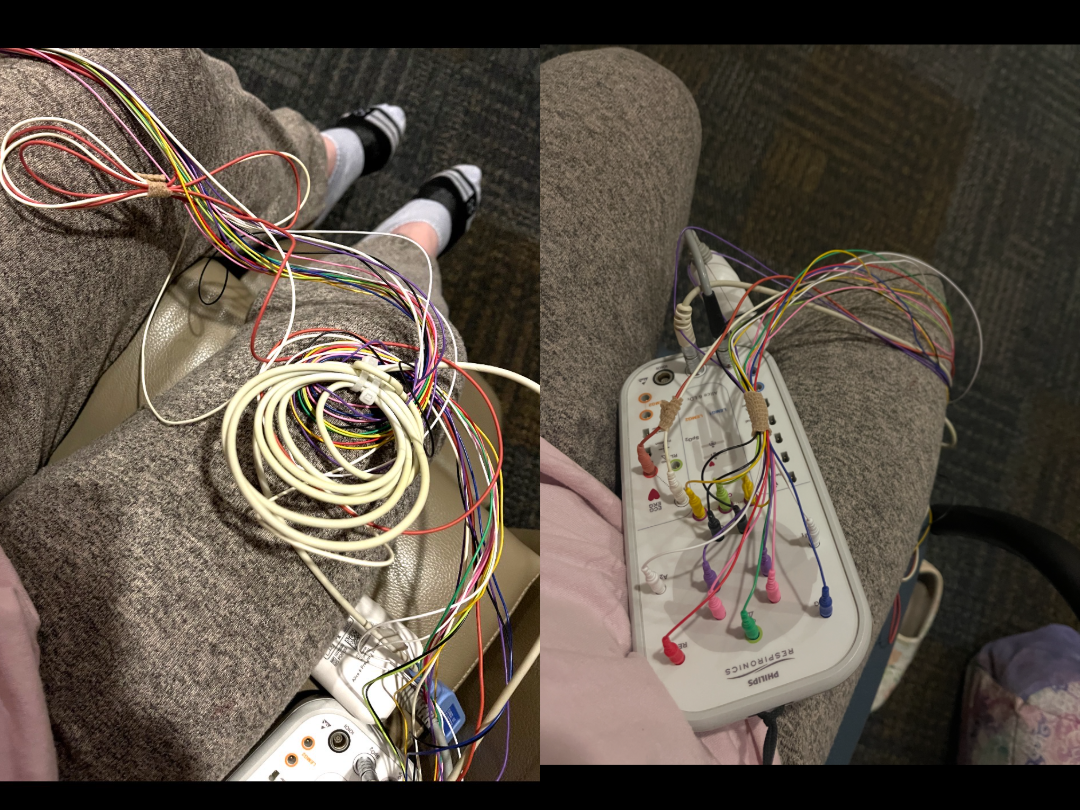
During my initial consultation, the sleep specialist reviewed my history and raised the possibility of a neurological condition affecting my sleep-wake cycle. My mind immediately filled with misconceptions, imagining someone suddenly collapsing or falling asleep without warning. Because I had never experienced anything that extreme, I initially dismissed the idea. But my doctor explained the diagnostic plan: if the overnight sleep study ruled out sleep apnea, I would immediately transition into a daytime nap study the following morning.
When the results came back, the data revealed a possible explanation to my lifelong challenges. While a typical brain takes about 90 minutes to transition into REM sleep, my daytime study showed that I was falling asleep in mere minutes and plunging directly into a dreaming state. My brain was completely skipping the deep, restorative stages of non-REM sleep, possibly explaining why I was always exhausted.
On paper, I tried to accept that these chaotic sleep patterns were the root cause of my wide array of symptoms. Yet, deep down, I felt that something still wasn’t right. Exhausted from searching for answers, I had almost given up entirely, convincing myself that I was just overreacting to the rest of my unexplained health challenges.
The Day Everything Changed
Ironically, the true answer came from somewhere I never expected.
Because of my family’s history of cancer, my gynecologist recommended expanded genetic testing to evaluate hereditary cancer risk, not because anyone suspected Myhre syndrome.
When the results became available online, I glanced through the report before meeting with my genetic counselor. I saw a mutation in the SMAD4 gene but didn’t fully understand what it meant due to the report's complex language. Then I received a phone call asking if I could come into the office instead of meeting virtually. That was the first clue that something life-changing was about to happen.
When I sat down with my genetic counselor, I tried to lighten the mood, “So…are you about to tell me I’m special?”. He smiled and replied, “Yes…actually, I am.” and on June 3rd in 2024 that was the moment I first learned about Myhre syndrome.
For the first time in my life, the puzzle pieces finally fit together. The childhood questions. The stiffness. The years of searching. The feeling that my body was somehow different. I finally had an answer, but being a single adult sitting in that appointment by myself was overwhelming.
It wasn’t just hearing the diagnosis. It was processing what it meant emotionally while also trying to understand the medical information.I went home confused. I even called the genetic counselor back because I wanted to make sure I truly understood what the results meant.
Living as an Adult with Myhre Syndrome
Receiving my Myhre diagnosis didn’t magically change or fix my symptoms, but it changed my entire life perspective. Today, life with Myhre syndrome means balancing a full-time career while also managing appointments, therapies, medications, and advocating for my own healthcare.
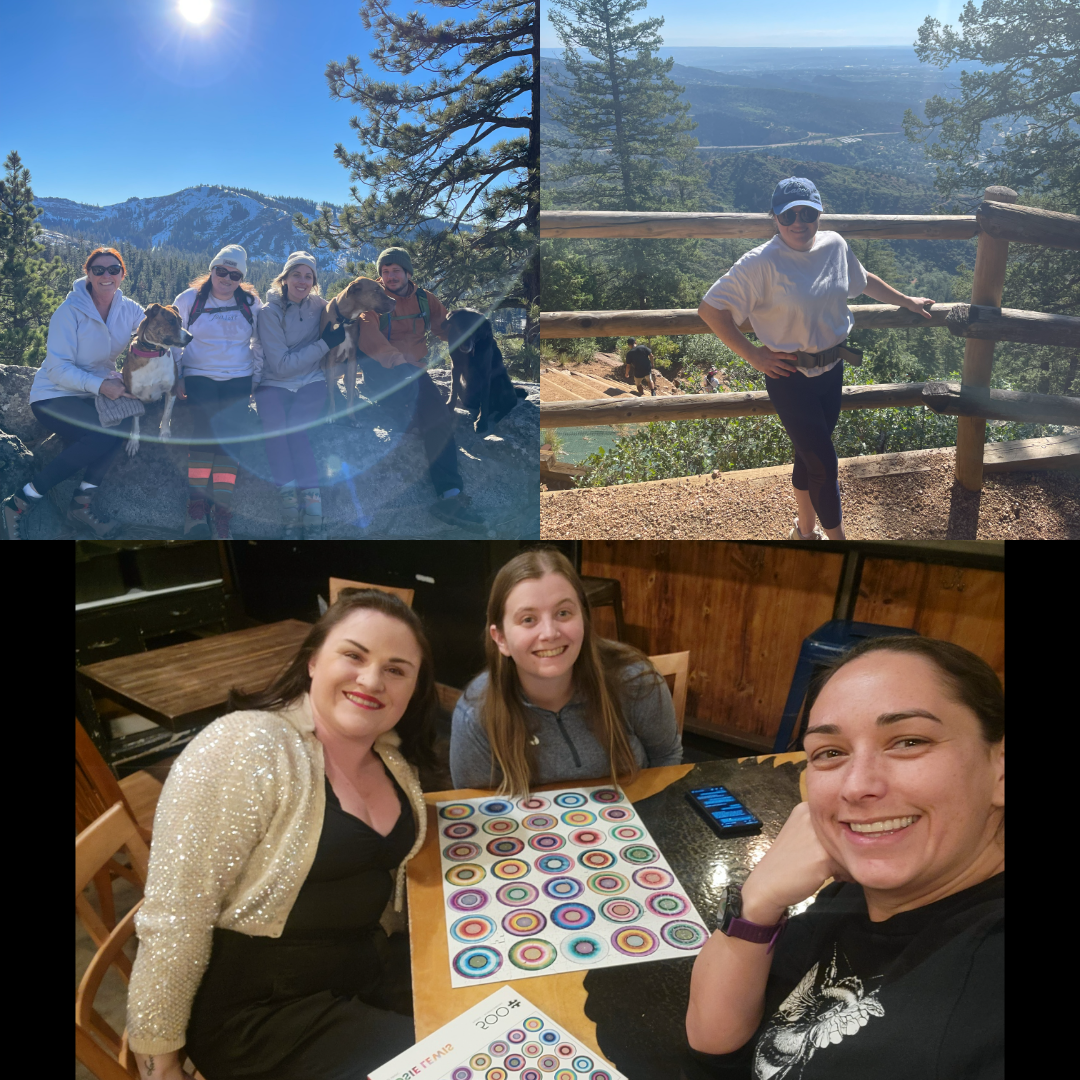
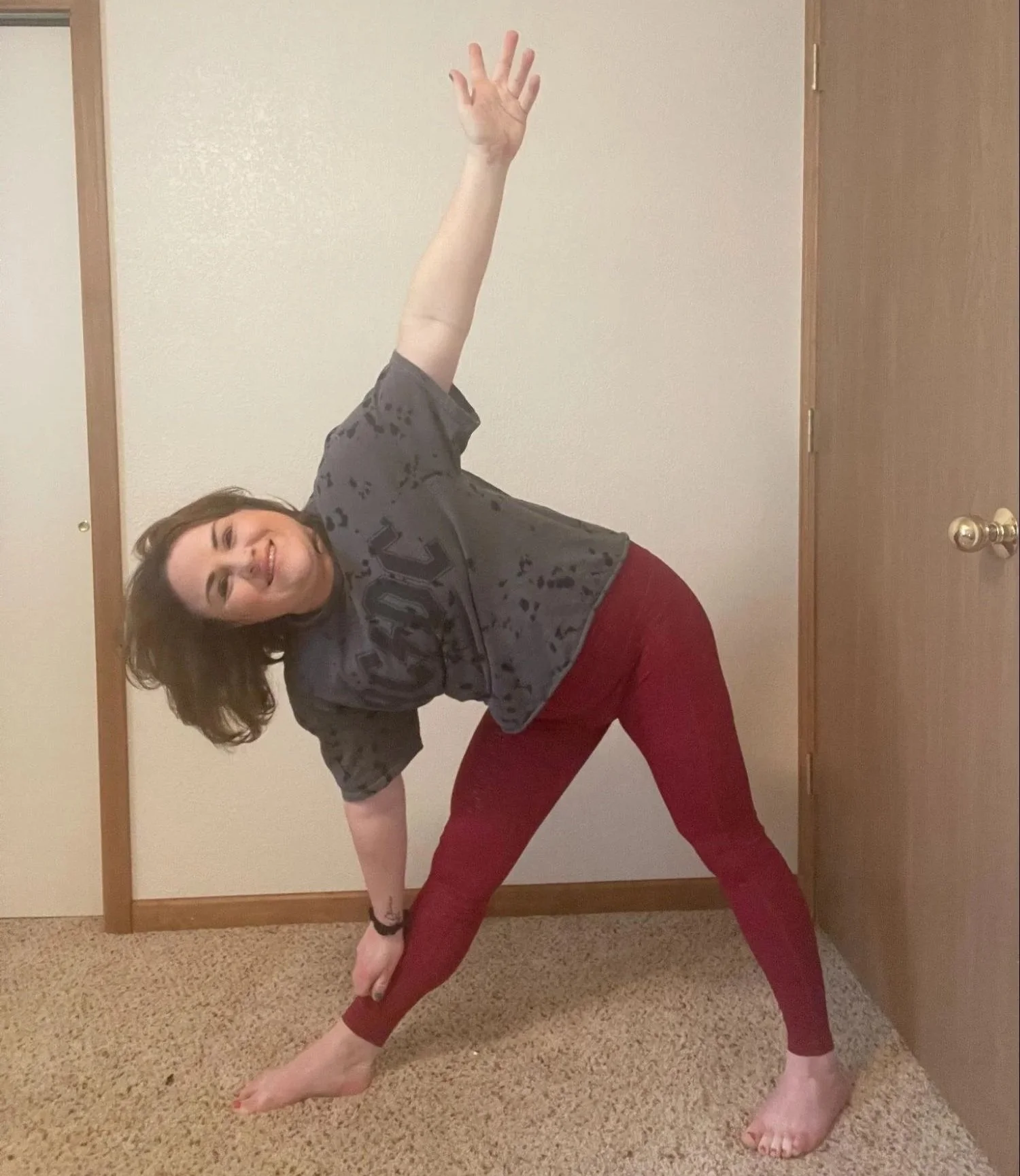
Some of the activities I once loved, like CrossFit and obstacle course races, are no longer the right fit for my body. Instead, I’ve discovered new passions through swimming, cycling, pilates, and intentional stretching. I had to shift to finding and exploring forms of movement that help me rather than hurt me.
Before my Myhre syndrome diagnosis, I pursued a group fitness instructor certification and discovered that movement doesn't have to look the same for everyone. There are countless ways to move your body, and I found one that I truly loved: Pound®, a high-energy, full-body cardio workout inspired by the fun and intensity of playing the drums.
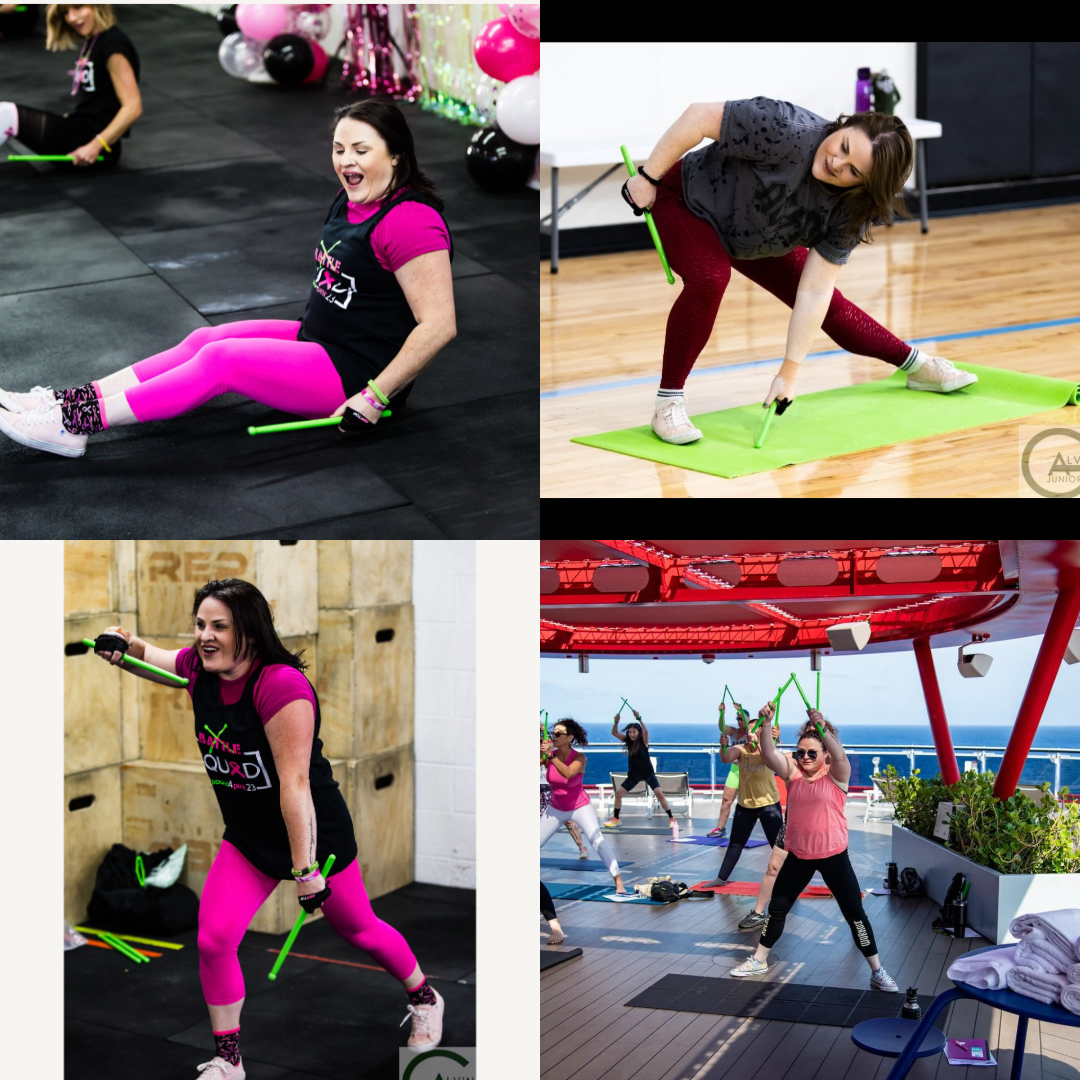
Teaching Pound® classes reminded me that fitness isn't about perfection. It's about showing up, finding joy in movement, and moving in a way that works for your body. What I loved most was the supportive community and the emphasis on adaptability. Every class encouraged participants to meet their bodies where they were that day, celebrating what they could do rather than focusing on limitations. Through that experience, I learned to find joy in moving my body for what it was able to do rather than dwelling on what it couldn't.
Living with a rare disease has taught me that adapting isn’t giving up. It’s learning to work with your body instead of constantly fighting against it. I pursued accommodations at my current teaching position and continue to advocate for myself each and every day.
Each day is different. There are some days that the pain and stiffness becomes debilitating and there are other days that my body seems to function better. But I have learned over the last year that it’s about balance. Learning to not push my body and be willing to say no to commitments or activities that may result in more symptoms. This has been the hardest part about being an adult living with this syndrome.
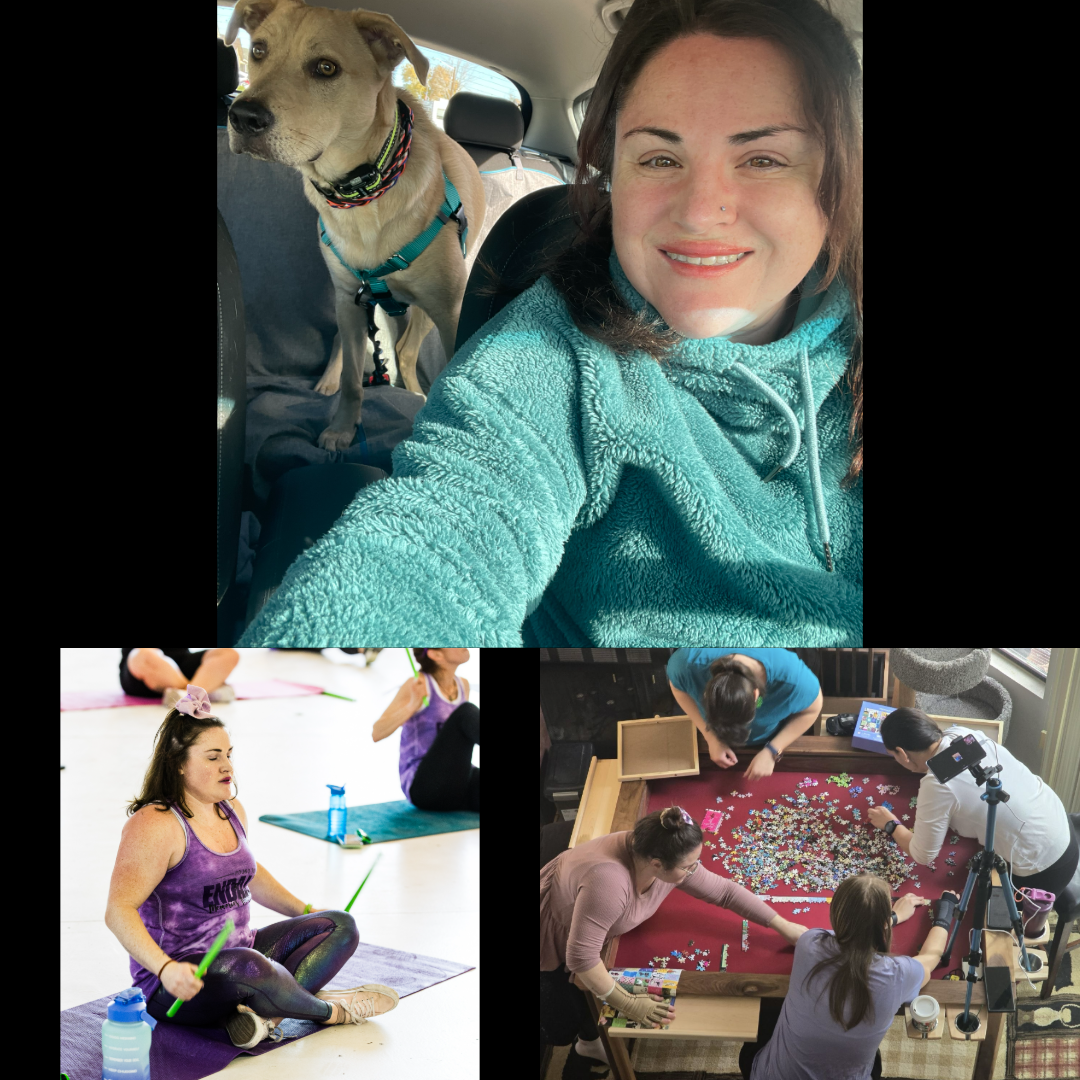
I enjoy spending time with friends, volunteering, and engaging in hobbies like painting, puzzles, crocheting, and reading. But there are times when I have to prioritize my adult responsibilities over the things I enjoy in order to preserve my energy. I've had to learn how to say no and set boundaries in both my personal and professional life. I'm still learning this balancing act. Recognizing when to push forward, when to rest, and how to make room for both responsibility and the things that bring me joy.
Finding Purpose After Diagnosis
As both a science teacher and someone living with Myhre syndrome, I became fascinated by the genetics behind my diagnosis. The more I learned, the more I realized there was another role I could play, not only as an educator, but as an advocate.
My true hope is that my story helps newly diagnosed adults realize they are not alone in this difficult battle of balance. I also hope it gives parents hope for their children. Yes, there will be challenges, losses, and grieving, but there can also be education, careers, friendships, passions, and a meaningful life despite the uncertainty of this disease.
I also began a blog called Blazing Beyond Myhre because I felt a deep conviction to share my story and connect with others navigating rare disease and chronic illness.
The name Blazing Beyond Myhre reflects my determination to rise above the challenges of this condition and keep moving forward, just like my namesake, Halley's Comet, blazing brightly through the cosmos. Myhre syndrome may create obstacles, but it cannot dim my desire to live fully, advocate for others, and chart my own path. I invite you to follow along as I share updates about life with Myhre syndrome: https://blazingbeyondmyhre.wordpress.com/
Writing is one of the passions closest to my heart, but it's also one of the first things that gets pushed to the back burner when work, everyday responsibilities, or symptom flares demand my time and energy. Learning to balance those realities while still making space for the things that bring me purpose is something I'm continually working toward.
A Message of Hope
Myhre syndrome is progressive, and there is currently no cure. But I don’t view my diagnosis as the end of my story. I view it as a wake-up call.
For years I lived believing I had to do everything, help everyone, and constantly push through my own limitations. My diagnosis taught me something different.
It taught me the importance of balance.
It taught me it’s vital to my overall well being to slow down.
And most importantly, it taught me to appreciate every single day.
There are things I can no longer do, and I’ve had to grieve that version of myself. But I’ve also discovered new passions I never expected. My life may look different than I imagined when I was younger, but different doesn’t mean less meaningful.
If you’re reading this while facing a new diagnosis and wondering what the future holds, I want you to know this: You are not alone. Give yourself permission to adjust, accommodate, and redefine what a full life looks like.
Live each day with purpose, celebrate the small victories, and remember that joy can still exist alongside uncertainty. Life with Myhre Syndrome may be different and difficult, but it can still be beautiful.
Join Me at the Virtual Conference
I’m honored to be speaking at the upcoming Myhre Syndrome Foundation Virtual Conference in September, where I’ll be sharing more about my life as an adult living with Myhre Syndrome and participating in a live Q&A session. I hope you’ll join us, and I look forward to connecting with many of you there.